

Used Electric & Hybrid Vehicles in Fort Collins, CO
Compare pre-owned electric and hybrid vehicles at Dellenbach Subaru for efficient commuting, Northern Colorado road trips, and everyday driving. Browse the live inventory below, then compare mileage, battery or hybrid-system details, charging needs, features, vehicle history, and overall condition before choosing the right fit.

May not represent actual vehicle. (Options, colors, trim and body style may vary)
More Info
Compare Used EVs & Hybrids for Northern Colorado
Pre-owned electrified vehicles give Fort Collins shoppers more ways to balance efficiency, technology, purchase price, and everyday practicality. The right choice depends on more than whether a vehicle uses electricity. Start by understanding which type of electrified powertrain you are considering.
Battery Electric Vehicles
A fully electric vehicle runs on battery power and requires external charging. Compare estimated range, charging capability, battery condition, connector compatibility, and your access to home or public charging.
Hybrid Vehicles
A conventional hybrid combines a gasoline engine with electric assistance and generally does not need to be plugged in. It can be a useful choice for drivers who want better efficiency without changing their fueling routine.
Plug-In Hybrids
A plug-in hybrid can travel using externally charged battery power while retaining a gasoline engine for longer trips. Electric range, charging speed, and operation vary by model and model year.
What Should You Check When Buying a Used EV?
A used electric vehicle deserves many of the same checks as any other pre-owned vehicle, plus a closer look at the battery and charging system. Review the individual listing and ask about information available for the exact vehicle you are considering.
Battery Condition
Battery capacity can change with age, mileage, climate, charging habits, and vehicle use. Ask whether battery-condition or state-of-health information is available for the vehicle and compare its expected usable range with your daily driving.
Remaining Battery Coverage
Some used EVs may still have remaining manufacturer battery coverage depending on the original in-service date, mileage, model, and warranty terms. Verify coverage using the VIN rather than assuming it transfers or remains active.
Charging Equipment
Confirm which charging port the vehicle uses, whether any charging cable or adapters are included, its home-charging capability, and whether it supports DC fast charging.
Vehicle History & Condition
Review mileage, service history when available, accident information, tires, brakes, suspension, warning lights, interior equipment, and the overall condition of the vehicle just as you would with another used car or SUV.
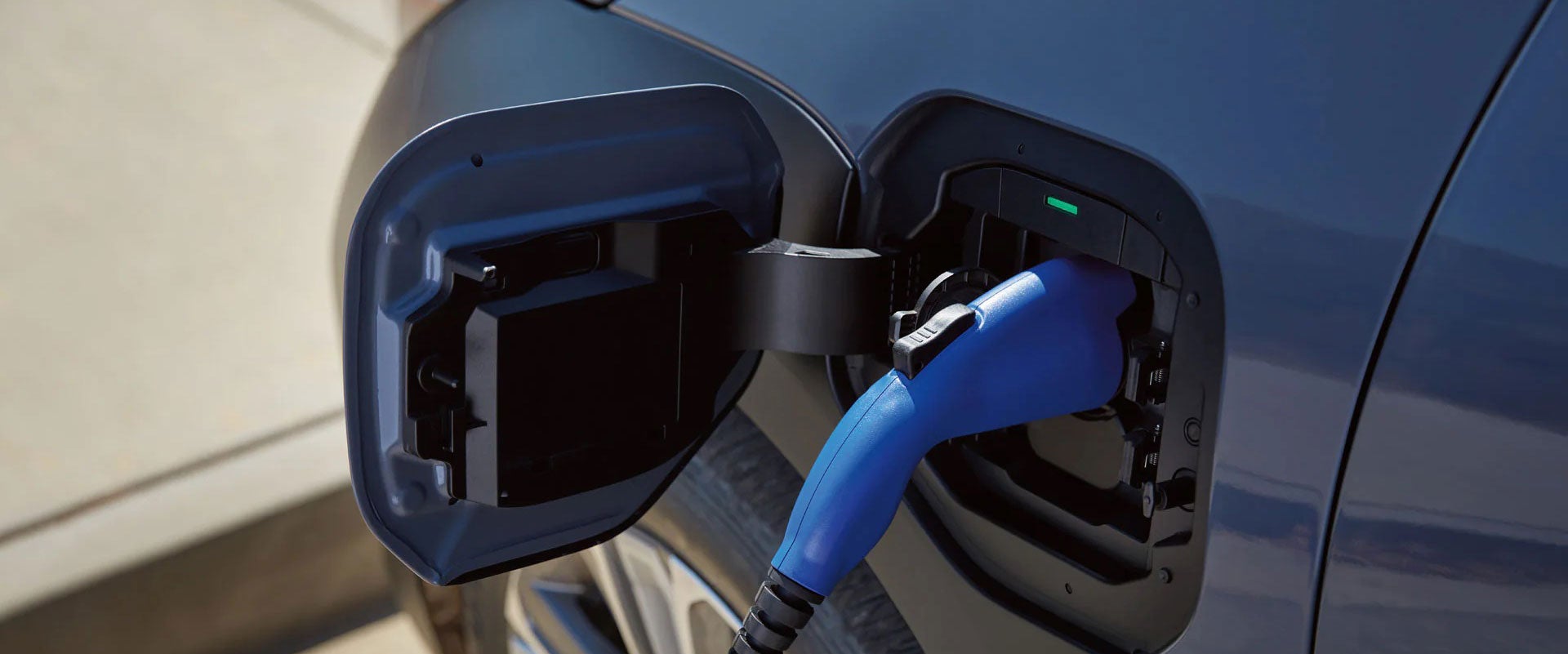
Understand Charging Before You Buy
Used EV charging capability can vary significantly by brand, model, and model year. A vehicle that works well for one driver's routine may be inconvenient for another if its charging speed or connector does not match the stations they regularly use.
Home Charging
Some drivers can handle lighter mileage with a standard household outlet, while regular EV use often becomes easier with compatible Level 2 home charging. Have a qualified electrician evaluate any home charging installation.
Public Charging
Check which public charging networks and connector types work with the exact EV. Adapter availability and charging-network access can differ between older and newer electric vehicles.
Fast-Charging Speed
Not every used EV fast-charges at the same rate. Vehicle capability, charger output, battery temperature, state of charge, weather, and battery-management systems can all affect charging time.
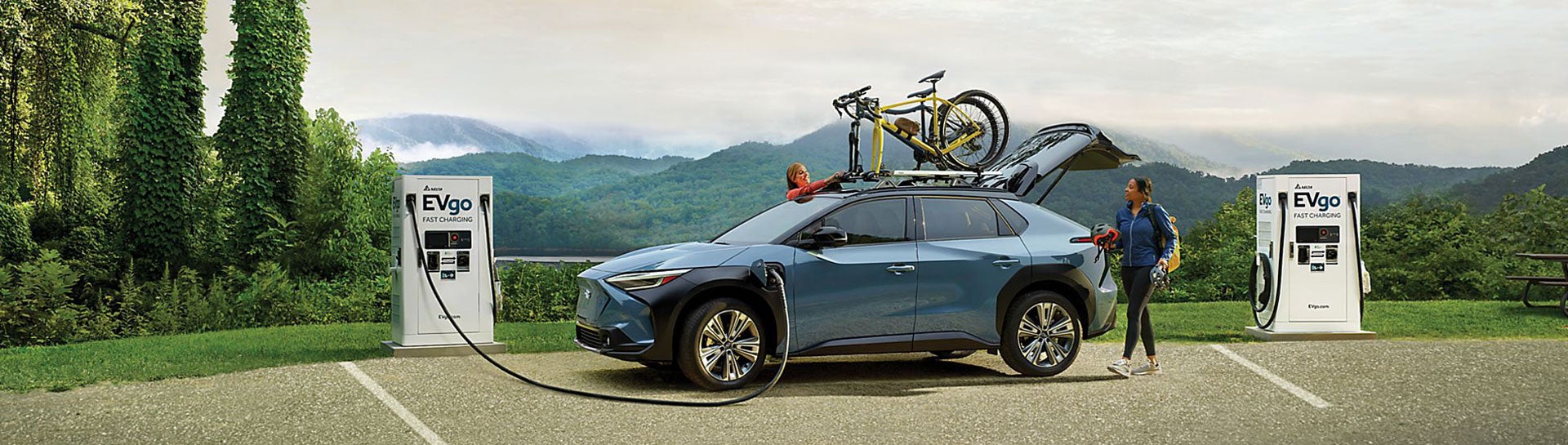
Plan Around the Driving You Actually Do
If most of your driving stays around Fort Collins, CSU, South College Avenue, Harmony Road, Timnath, or Windsor, home charging and local public stations may cover most of your routine.
Drivers who regularly travel toward Denver, Cheyenne, the foothills, or mountain destinations should also look at charging availability along those routes before choosing a particular used EV.
Do Not Compare Range by One Number Alone
The range shown when a vehicle was new may not equal the range you experience in a pre-owned EV today. Battery age, temperature, elevation, highway speed, cabin heating or cooling, tires, vehicle load, and driving style can all affect real-world range.
Use the original range figure as context, then evaluate the condition and capabilities of the specific vehicle you are considering.
Used EVs, Hybrids & Colorado Winter Driving
Northern Colorado weather should be part of your electrified-vehicle comparison. Cold temperatures can reduce available EV range and affect charging performance, while cabin heating, snowy roads, elevation changes, and highway speeds can place additional demand on the vehicle.
Some EVs offer battery preconditioning, heat pumps, scheduled climate controls, or other cold-weather features, but equipment varies significantly by vehicle and model year. Verify the features on the exact used EV rather than assuming they are included.
For hybrids, winter fuel economy can also differ from warmer-weather results. Tires, traction systems, drivetrain, ground clearance, and overall vehicle condition should be part of the comparison for either powertrain.
What Should You Check on a Used Hybrid?
A hybrid still has many traditional vehicle systems in addition to its battery and electric components. Look at the complete vehicle rather than focusing only on its fuel-economy rating.
Hybrid System & Battery
Ask about warning lights, available service history, hybrid-system operation, and remaining manufacturer coverage when applicable.
Gasoline Engine Maintenance
Hybrids still have an internal-combustion engine, so review oil-change history, fluids, filters, cooling-system needs, and other conventional maintenance items.
Brakes, Tires & Suspension
Regenerative braking changes how some brake components are used, but brakes still require inspection. Tire condition, alignment, suspension, and steering also remain important on any pre-owned hybrid.
Finance a Used EV or Hybrid
Financing a used electrified vehicle works much like financing another pre-owned vehicle, but the vehicle's age, mileage, price, lender requirements, and other underwriting factors can affect available terms.
Compare the annual percentage rate, loan term, amount financed, down payment, trade equity, applicable fees, and total amount paid instead of evaluating the purchase by monthly payment alone.
Compare the Full Cost of Ownership
Efficiency matters, but it is only one part of your budget. Consider vehicle price, insurance, financing, charging or fuel costs, tires, maintenance, registration, and any home-charging equipment you may need.
A lower-priced used EV or hybrid is not automatically the right value if it does not fit your commute, charging access, passenger needs, cargo requirements, or longer-distance driving.
Why a Test Drive Matters Even More With a Used EV or Hybrid
Electrified vehicles can feel different from conventional gasoline vehicles. A test drive gives you a chance to evaluate acceleration, regenerative braking, ride quality, visibility, cabin noise, technology, seating position, climate controls, and how naturally the vehicle fits your driving style.
For a used vehicle, it is also an opportunity to look for warning lights, unusual noises, tire wear, interior condition, charging-port condition, and other details that are difficult to judge from photos.
Confirm the Exact Vehicle Before You Visit
Used inventory can change quickly as vehicles are sold, traded, or added to the lot. Open the individual listing to review mileage, VIN, stock number, equipment, pricing, history information when available, and current availability.
If one specific EV or hybrid interests you, confirm that it is still available and schedule a test drive before making your trip.
Frequently Asked Questions About Used EVs & Hybrids
What used EVs and hybrids are available at Dellenbach Subaru?
Inventory changes regularly and may include fully electric vehicles, conventional hybrids, plug-in hybrids, used Subaru models, and electrified vehicles from other manufacturers. Use the live inventory above for current availability.
How can I check the battery condition of a used EV?
Ask what battery-condition, diagnostic, or state-of-health information is available for the specific vehicle. Battery age, mileage, use, charging history, climate, and other factors can affect remaining capacity.
Does a used EV still have a battery warranty?
It may. Remaining battery coverage depends on the manufacturer, original in-service date, mileage, warranty terms, and the specific vehicle. Confirm coverage using the VIN before relying on it.
Do all used hybrids need to be plugged in?
No. Conventional hybrids recharge their batteries through the vehicle's hybrid system and regenerative braking. Plug-in hybrids have a larger battery that can also be charged from an external source.
Can I charge a used EV at home?
Most EVs support some form of home charging, but charging equipment, connector type, electrical requirements, and charging speed vary by vehicle. Verify the requirements for the exact EV before installing equipment.
Does cold weather affect used EV range?
Yes. Cold temperatures can reduce available driving range and charging performance. Battery condition, cabin heating, road conditions, elevation, speed, and vehicle load can also affect real-world range.
Can I finance a used electric or hybrid vehicle?
Financing may be available for eligible used EVs and hybrids. Approval and terms depend on the applicant, lender, vehicle age, mileage, price, loan structure, and other requirements.
Find a Used EV or Hybrid in Fort Collins, CO
Review the live electrified inventory above, compare the battery or hybrid system, charging needs, mileage, condition, features, and vehicle history, then schedule a test drive with Dellenbach Subaru.