

Frequently Asked Questions About Subaru Tires and Wheels
Proper tire and wheel maintenance plays an important role in your Subaru’s performance, handling, comfort, and safety. Your tires are the only part of your vehicle that directly connects with the road, making regular inspections, rotations, and proper maintenance essential throughout ownership.
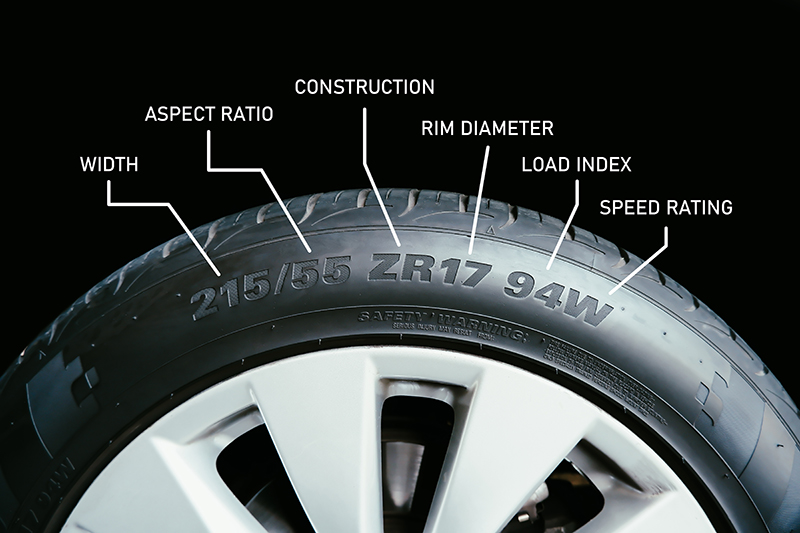
At Dellenbach Subaru, our Subaru service team helps drivers maintain their vehicles with tire services, wheel inspections, rotations, alignments, and other routine maintenance needs. Factory-trained Subaru technicians provide service using specialized equipment and Subaru knowledge to help keep your vehicle performing as designed.
How Often Should I Rotate My Subaru Tires?
Tire rotation intervals depend on your Subaru model, driving habits, and tire type. Regular tire rotations help promote even tread wear by moving tires to different positions on the vehicle.
Benefits of routine tire rotations include:
- More consistent tire wear
- Longer tire life
- Improved handling performance
- Better overall tire maintenance
Following your Subaru owner’s manual recommendations for tire rotation helps support balanced performance over time.
Why Is Proper Tire Pressure Important?
Maintaining the correct tire pressure is one of the simplest ways to care for your Subaru tires. Incorrect tire pressure can affect handling, ride comfort, and tire wear.
Underinflated or overinflated tires may contribute to:
- Uneven tread wear
- Reduced handling response
- Changes in driving comfort
- Increased tire stress
Drivers should check tire pressure regularly, especially when temperatures change, since cold weather can affect tire pressure levels.
How Do I Know When My Subaru Needs New Tires?
Several signs can indicate that your Subaru tires may need replacement. Regular inspections can help identify wear before it impacts performance.
Common signs of tire wear include:
- Low tread depth
- Cracking or visible damage
- Uneven wear patterns
- Frequent loss of tire pressure
- Increased road noise
- Reduced traction
A professional tire inspection can help determine whether your tires can continue providing dependable performance or if replacement is recommended.
What Is a Wheel Alignment and Why Does My Subaru Need One?
A wheel alignment adjusts the angles of your vehicle’s wheels so they meet manufacturer specifications. Proper alignment helps your Subaru maintain predictable handling and supports even tire wear.
Signs your Subaru may need a wheel alignment include:
- Vehicle pulling to one side
- Uneven tire wear
- Steering wheel vibration
- Steering wheel not returning properly after turns
Regular alignment checks can help protect your tires and support a smoother driving experience.
How Do I Choose the Right Tires for My Subaru?
The right tires depend on your Subaru model, driving conditions, climate, and personal preferences. Drivers in Colorado may consider different tire options based on seasonal weather, mountain driving, and everyday commuting needs.
Factors to consider include:
- Tire size requirements
- Driving conditions
- Weather patterns
- Tread design
- Performance needs
Subaru vehicles are designed for a variety of driving environments, and selecting the correct tires helps maintain the handling characteristics your vehicle was engineered to provide.
Are Winter Tires Worth Considering for a Subaru?
Winter tires can be a valuable option for drivers who frequently travel through snow, ice, or colder conditions. While many Subaru models feature Symmetrical All-Wheel Drive, tires remain an important part of maintaining traction.
Winter tires are designed with specialized rubber compounds and tread patterns that help provide performance in cold-weather conditions.
Drivers who regularly travel through:
- Snow-covered roads
- Mountain passes
- Icy conditions
- Areas with frequent winter weather
may benefit from discussing winter tire options with a Subaru service professional.
What Is the Difference Between All-Season and Winter Tires?
All-season and winter tires are designed for different driving conditions.
All-season tires are built to provide balanced performance across a variety of conditions, while winter tires are specifically designed for colder temperatures and snow or ice conditions.
The best option depends on:
- Local weather conditions
- Driving habits
- Seasonal travel needs
- Vehicle usage
Many drivers choose seasonal tire options based on where and how they drive.
Can I Replace Just One Tire on My Subaru?
In some situations, replacing a single tire may be possible, but Subaru vehicles require careful consideration when replacing tires. Differences in tire tread depth and overall size can affect vehicle systems and performance.
A Subaru service professional can help determine whether one tire replacement, multiple tire replacements, or additional tire service is recommended.
What Are the Benefits of Subaru Genuine Wheels?
Subaru genuine wheels are designed specifically for Subaru vehicles and are developed to match factory specifications.
Using properly designed wheels helps support:
- Correct fitment
- Vehicle compatibility
- Proper handling characteristics
- Original vehicle design
When replacing or upgrading wheels, it is important to select options that match your Subaru’s specifications.
How Often Should I Check My Subaru Tires?
Tires should be inspected regularly as part of your vehicle maintenance routine. A visual inspection can help identify issues such as uneven wear, damage, or changes in tire condition.
Drivers should check for:
- Proper inflation
- Tread condition
- Sidewall damage
- Foreign objects
- Uneven wear patterns
Regular tire checks can help identify concerns before they become larger problems.
Do Subaru Tires Need Special Maintenance?
Subaru tires require the same basic maintenance as other vehicles, including proper inflation, rotation, and inspections. However, Subaru’s Symmetrical All-Wheel Drive system makes maintaining properly matched tires especially important.
Routine tire care helps support:
- Balanced traction
- Smooth handling
- Consistent performance
- Long-term tire durability
Can Tire Problems Affect Subaru All-Wheel Drive Performance?
Tire condition can influence how your Subaru’s all-wheel-drive system performs. Maintaining properly matched tires with similar tread levels helps support balanced operation.
Regular tire maintenance helps your Subaru continue delivering the traction and confidence drivers expect from its all-wheel-drive system.
What Tire Services Does Dellenbach Subaru Offer?
Dellenbach Subaru provides Subaru service options designed to help drivers maintain their vehicles. Available maintenance services include tire rotations, inspections, wheel alignments, and other routine Subaru care.
Our Subaru service team can help with:
- Tire inspections
- Tire rotations
- Wheel alignment checks
- Tire replacement assistance
- Maintenance recommendations
- Genuine Subaru parts and accessories
Connect with us


- July 2026
- June 2026
- October 2025
- September 2025
- July 2025
- June 2025
- April 2025
- January 2025
- October 2024
- March 2024
- February 2024
- December 2023
- November 2023
- October 2023
- September 2023
- July 2023
- June 2023
- May 2023
- April 2023
- March 2023
- February 2023
- January 2023
- December 2022
- November 2022
- October 2022
- May 2022
- March 2022
- February 2022
- January 2022
- October 2021
- July 2021
- June 2021
- May 2021
- April 2021
- March 2021
- January 2021
- December 2020
- November 2020
- October 2020
- September 2020
- August 2020
- July 2020
- June 2020
- May 2020
- April 2020
- March 2020
- February 2020
- January 2020
- December 2019
- November 2019
Archives