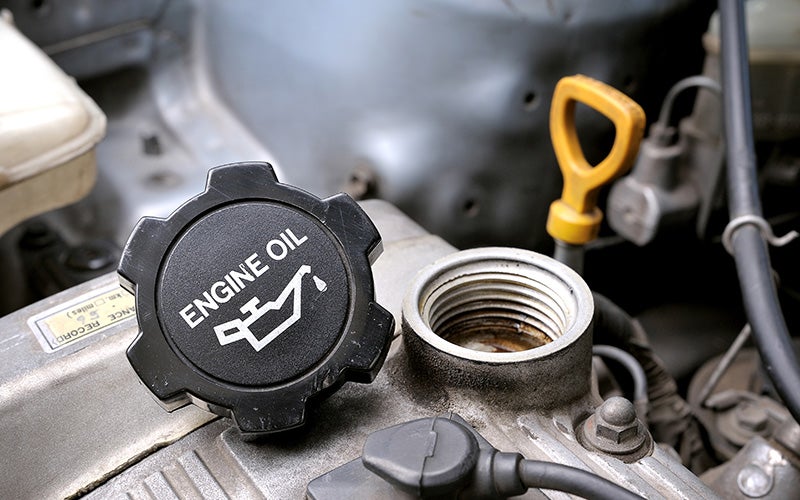

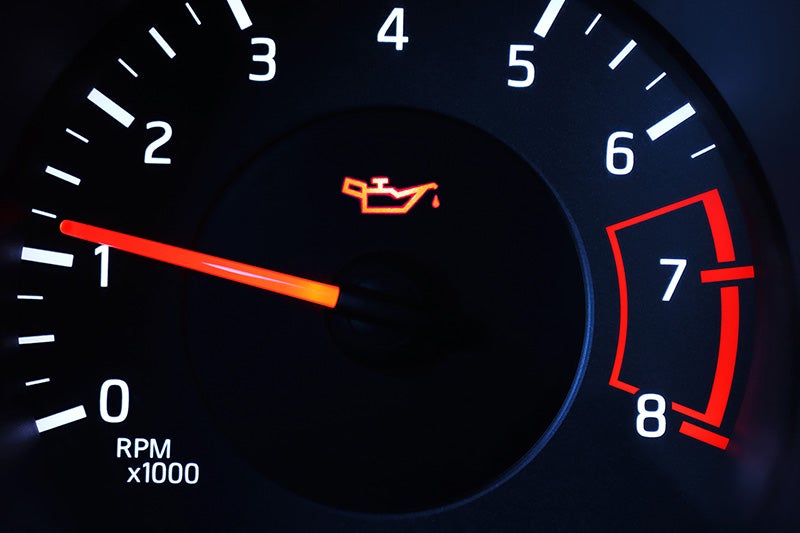
That small oil can icon on your dashboard might seem easy to ignore, but it's one of the most important warning lights in your vehicle. If your oil light comes on while you're driving around Fort Collins, Colorado, knowing how to respond can protect your engine and prevent costly repairs down the road. What to Do When Your Oil Light Comes On The moment your oil light comes on, don't panic – but take it seriously. Safely reduce your speed and begin looking for a place to pull over. Once stopped, turn off the engine and give it a few minutes to cool before checking the oil level using the dipstick under the hood. If the oil level looks low, adding oil may help temporarily. However, that alone doesn't explain why the level dropped. You'll still want to schedule a service visit as soon as possible to find the root cause. Can You Keep Driving, or Does It Need Immediate Attention? This is one of the most common questions when it comes to dashboard warning lights, and the answer depends on the situation. If the oil light comes on while the engine is running and you hear unusual noises, you should stop driving immediately. Continuing to drive with low or no oil pressure can cause serious, and sometimes permanent, engine damage. If the light flickered briefly and went off, or came on during a cold start and then disappeared, it may be less urgent - but it's still worth getting checked. You should treat any oil warning light as a prompt to schedule service promptly rather than waiting. Common Reasons the Oil Light Turns On Understanding what triggers the oil light can help you have a more informed conversation with your service technician. Here are some of the most frequent causes. Low oil level is often the first culprit. This can happen gradually from normal consumption or more quickly from a leak. Either way, your engine needs an adequate supply of clean oil to function properly. Oil pressure issues are another common trigger. Even if the oil level is acceptable, a failing oil pump or blocked oil passage can cause pressure to drop, which activates the warning light. Dirty or degraded oil can also set off the light. Over time, oil breaks down and loses its ability to lubricate effectively. This is why keeping up with regular oil changes is so important for the long-term health of your engine. A faulty oil pressure sensor is worth mentioning as well. Sometimes the sensor itself gives a false reading. This is still something a technician should inspect. What to Do Next If your oil light comes on, check your oil level, avoid driving long distances until the issue is diagnosed, and contact Dellenbach Subaru's service center. Regular maintenance is the best way to prevent oil-related problems before they start. The 2026 Subaru lineup - including the Forester, Outback, and Crosstrek - is built to last when properly maintained. Keeping up with scheduled service helps protect that reliability for the long road ahead. Bring Your Subaru in for Service in Fort Collins, CO When your oil light comes on, the team at Dellenbach Subaru is here to help. Visit us at dellenbachsubaru.com to schedule a service appointment and get your Subaru back on the road with confidence.
Brakes: What Every Driver Should Know
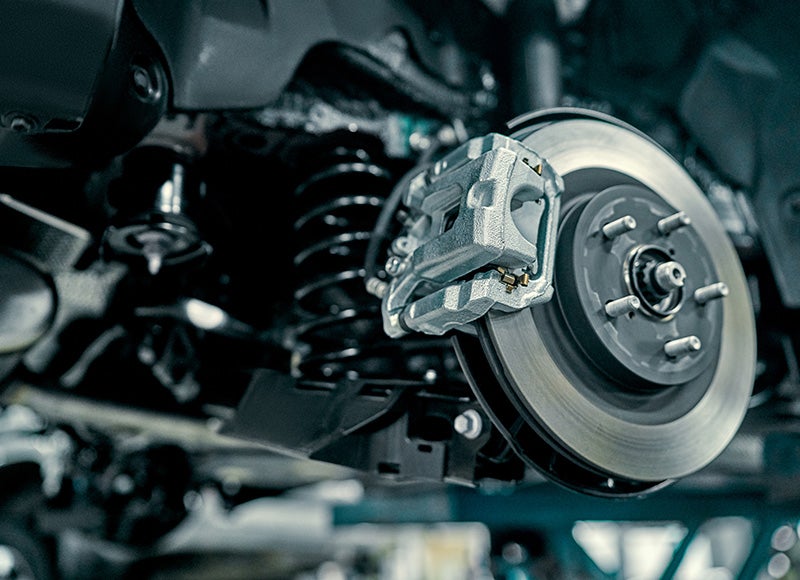
Vehicle Brakes: How Your Subaru Braking System Works, Warning Signs, and Maintenance Tips How Your Subaru Braking System Works Your vehicle’s braking system is one of the most important safety components on the road. Every time you slow down in traffic, stop at an intersection, navigate mountain roads, or handle changing weather conditions, your brakes provide the control needed for confident driving. Understanding how your brakes work can help you recognize maintenance needs and identify potential problems before they affect your driving experience. Modern Subaru vehicles use advanced braking systems designed to deliver consistent stopping performance in a wide range of conditions. These systems combine hydraulic components, brake pads, rotors, calipers, and electronic safety technology to help drivers maintain control when slowing or stopping. When you press the brake pedal, the system transfers force through brake fluid to activate the brake components at each wheel. The brake calipers then apply pressure to the brake pads, which press against the rotors and create friction. That friction slows the rotation of the wheels, allowing the vehicle to come to a controlled stop. Key components of a Subaru braking system include: Brake pedal: Provides the driver’s input to activate the braking system. Brake fluid: Transfers hydraulic pressure through the brake lines. Brake calipers: Apply pressure to the brake pads. Brake pads: Create friction against the rotors to slow the vehicle. Brake rotors: Rotating discs that work with the brake pads. Anti-lock braking system (ABS): Helps prevent wheel lockup during hard braking. Regular brake inspections help ensure these components continue working together properly. At Dellenbach Subaru, technicians can inspect brake system components and identify wear or maintenance needs specific to your Subaru model. Signs Your Brakes May Need Service Many brake issues develop gradually, giving drivers warning signs before a major repair is needed. Paying attention to changes in braking performance can help you schedule service at the right time and avoid additional wear on other components. One of the most common questions drivers ask is, “How do I know when my brakes need to be replaced?” The answer depends on several factors, including driving habits, road conditions, vehicle usage, and the condition of individual brake components. However, certain warning signs often indicate that your braking system should be inspected. Common signs of brake problems include: Squealing or grinding noises: High-pitched sounds may indicate worn brake pads, while grinding noises can point to more advanced wear. Longer stopping distances: If your Subaru takes longer than expected to stop, your brake system may need attention. Brake pedal changes: A soft, spongy, or unusually firm pedal can indicate a potential issue. Steering wheel vibration: Pulsation while braking may be related to rotor wear or uneven brake surfaces. Brake warning lights: Dashboard alerts should always be inspected promptly. Vehicle pulling while braking: Uneven brake wear or other brake system concerns may cause pulling to one side. Ignoring brake warning signs can lead to increased wear and may affect other parts of the braking system. Scheduling a brake inspection when you notice changes can help protect your vehicle’s performance and safety. How Often Should You Check Your Vehicle Brakes? Brake maintenance schedules vary depending on your driving habits and vehicle conditions. Drivers who frequently travel through heavy traffic, carry passengers or cargo, or drive in mountainous areas may experience different brake wear compared with those who primarily drive on open highways. Many brake inspections can be completed during routine maintenance appointments, including oil changes, tire rotations, or other scheduled Subaru service visits. Regular inspections allow technicians to measure brake pad thickness, check rotor condition, inspect brake fluid, and evaluate overall system performance. Brake inspections are especially important if you: Drive frequently in stop-and-go traffic. Travel through steep roads or mountain areas. Tow or carry heavier loads. Notice changes in braking performance. Hear unusual noises when stopping. Routine brake checks can help identify wear before it impacts other components. A technician can determine whether your Subaru needs brake pad replacement, rotor service, brake fluid maintenance, or additional repairs. Understanding Brake Pads and When They Need Replacement Brake pads are designed to wear down over time because they create the friction needed to slow your vehicle. Since brake pads are a wear item, replacement is a normal part of vehicle ownership. The lifespan of brake pads varies based on driving conditions and habits. Frequent braking, city driving, and heavy vehicle use can cause pads to wear faster, while highway driving may reduce brake pad wear. Common signs that brake pads may need replacement include: Squealing noises when applying the brakes. Reduced braking responsiveness. Visible thinning of brake pad material. Grinding sounds during braking. Brake dust buildup beyond normal levels. Replacing worn brake pads at the appropriate time helps maintain proper braking performance and can help protect brake rotors from unnecessary damage. Dellenbach Subaru provides brake inspections and maintenance support for Subaru models, helping Fort Collins drivers keep their vehicles ready for daily commuting, road trips, and changing Colorado driving conditions. Brake Rotors and Their Role in Stopping Performance Brake rotors work together with brake pads to create the friction required to slow your vehicle. Because rotors experience repeated heat and pressure during braking, they can develop wear over time. A damaged or uneven rotor surface may contribute to braking vibration, noise, or inconsistent stopping performance. During a brake inspection, technicians can check rotor condition and determine whether service or replacement is needed. Signs of potential rotor issues may include: Vibration through the steering wheel while braking. Pulsation in the brake pedal. Uneven braking performance. Visible scoring or damage on rotor surfaces. Maintaining healthy brake rotors helps your braking system operate smoothly and supports consistent stopping performance. Subaru Brake Maintenance Tips for Colorado Drivers Driving conditions in Colorado can place unique demands on your vehicle’s braking system. Changes in elevation, mountain roads, weather conditions, and seasonal temperature shifts can all influence how often brake components need inspection. Drivers in Fort Collins and surrounding areas can help maintain brake performance by following recommended maintenance schedules and paying attention to changes in vehicle behavior. Helpful brake maintenance practices include: Schedule regular brake inspections with trained technicians. Avoid ignoring unusual braking sounds or pedal changes. Follow Subaru maintenance recommendations. Keep brake fluid inspected and serviced when needed. Address brake warning lights promptly. Allow additional stopping distance during challenging weather conditions. Proper brake maintenance supports reliable vehicle operation and helps ensure your Subaru remains prepared for everyday driving throughout Northern Colorado. Subaru Brake Service in Fort Collins, CO When your Subaru needs brake maintenance or repair, choosing technicians familiar with Subaru vehicles can provide added confidence. Subaru braking systems are designed with specific engineering standards, and proper inspection helps ensure each component continues working as intended. Dellenbach Subaru provides brake service support for Subaru drivers throughout Fort Collins and surrounding communities. Our service team can help with brake inspections, brake pad replacement, rotor evaluation, brake fluid service, and other brake-related maintenance needs. Whether you are noticing brake warning signs or simply staying current with preventative maintenance, scheduling service can help keep your Subaru performing properly. Brake services may include: Brake system inspections. Brake pad replacement. Brake rotor inspection. Brake fluid checks. Brake component evaluation. Subaru maintenance recommendations. Schedule your Subaru brake service at Dellenbach Subaru to help maintain reliable stopping performance and keep your vehicle ready for Colorado roads. Choosing a Subaru Service Center for Brake Maintenance Brake repairs require attention to detail because every component of the system works together to provide safe stopping performance. A proper inspection helps identify the source of brake concerns and determine the appropriate service needed. Dellenbach Subaru serves drivers looking for Subaru brake service in Fort Collins, Loveland, Windsor, Timnath, and nearby Northern Colorado communities. Our team understands Subaru vehicles and provides maintenance support designed around your specific model. Whether your Subaru needs routine brake maintenance or you have noticed signs of wear, our service department can help you keep your vehicle operating confidently. Schedule service online today.